

Balanced Living: Understanding Nutritional Principles
Explore the foundational science of human nutrition, energy equilibrium, and lifestyle dynamics
Educational content only. No promises of outcomes.
Energy Equilibrium Basics
Core physiological explanation
The human body operates within a framework of energy balance—the relationship between energy consumed through food and energy expended through bodily functions and daily activity. Understanding this dynamic equilibrium is central to recognising how nutrition influences overall physiological health.
Energy intake comes from three main nutrient categories: carbohydrates, proteins, and fats. Each plays distinct roles in cellular function, hormone signalling, and metabolic processes. Energy expenditure occurs through three primary pathways: basal metabolic rate (the energy required for essential body functions at rest), the thermic effect of food (energy used in digestion), and activity energy expenditure (movement and exercise).
This equilibrium is not static. Body composition, age, activity level, hormonal status, and nutritional choices all influence how the body processes and utilises energy. Recognising these variables helps contextualise individual differences in metabolism and food response.
Nutrient Category Traits
Defining characteristics and bodily functions
Carbohydrates
Primary source of glucose for brain and muscle function. Include simple sugars, starches, and fibre. Impact blood sugar dynamics, energy availability, and digestive health based on type and amount consumed.
View the detailsProteins
Essential amino acids support muscle synthesis, enzyme function, hormone production, and immune response. Sourced from animal and plant foods with varying amino acid profiles and digestive characteristics.
View the detailsFats
Critical for hormone synthesis, cellular structure, vitamin absorption, and satiety signalling. Include saturated, monounsaturated, and polyunsaturated forms, each with distinct metabolic roles.
Learn additional perspectivesVisual Overview of Nutrient Sources
Different foods provide varying proportions of carbohydrates, proteins, and fats, alongside micronutrients such as vitamins and minerals. Understanding food composition helps contextualise nutritional variety in everyday meals and individual dietary patterns.

Satiety Regulation Systems
Body feedback mechanisms controlling appetite

Hunger and Fullness Signals
The body communicates satiety through hormonal and neural pathways. Ghrelin, produced in the stomach, signals hunger. Leptin, produced in adipose tissue, signals fullness to the brain. Peptide YY and cholecystokinin (CCK) released post-meal contribute to satiety.
These signals are influenced by food type (fibre and protein increase satiety more than refined carbohydrates), meal composition, eating pace, and psychological factors such as stress and sleep quality. Individual variation in hormone sensitivity explains why different people experience hunger and fullness differently in response to the same foods.
Common Dietary Tendencies
Population observations from large-scale studies
Observed Eating Patterns
Large-scale nutritional epidemiology studies identify recurring dietary patterns across populations. These observations reveal correlations between food choice frequency and health markers, without prescribing individual outcomes.
Key observations include:
Diets higher in whole grains, vegetables, and legumes show associations with favourable metabolic markers in group studies. Conversely, patterns dominated by ultra-processed foods are correlated with unfavourable markers. However, these are population-level observations; individual responses vary based on genetics, activity, sleep, stress, and other contextual factors.
Meal timing, eating frequency, and food preparation methods also influence nutrient availability and digestive response. Some individuals experience better satiety and energy with frequent small meals; others thrive on fewer, larger eating windows. Contextual flexibility is essential.
Spontaneous Movement Impact
Non-Exercise Activity Thermogenesis (NEAT)
NEAT encompasses all daily movement outside structured exercise: walking, occupational activity, fidgeting, postural maintenance, and incidental activity. Research demonstrates NEAT contributes significantly to total daily energy expenditure—often more than formal exercise.
Factors influencing NEAT include occupation type, living environment, transportation habits, recreational pursuits, and cultural norms around movement. Increasing NEAT through lifestyle adjustments—such as walking more or using stairs—contributes to overall energy balance without requiring formal exercise.
Individual variation in NEAT is substantial. Some people naturally move more throughout the day; others may benefit from intentional lifestyle redesign to increase spontaneous movement.

Hydration Balance Role
Fluid physiology and its influence on metabolism

Water Function in Body Systems
Water comprises approximately 60% of adult body weight and is essential for thermoregulation, nutrient transport, waste elimination, joint lubrication, and cognitive function. Adequate hydration influences appetite signalling, energy availability, and digestive efficiency.
Thirst is the primary mechanism for maintaining hydration, though this signal can be blunted by age, certain medications, or environmental factors. Fluid needs vary based on activity level, climate, metabolism, and individual factors—there is no universal hydration prescription.
Both dehydration and overhydration can impair function, highlighting the importance of individualised awareness of fluid intake and thirst cues rather than rigid guidelines.
Recovery and Eating Patterns
Sleep quality and temporal eating rhythms
Sleep-Appetite Connection
Sleep duration and quality profoundly influence appetite regulation through hormonal mechanisms. Insufficient sleep elevates ghrelin and reduces leptin sensitivity, promoting increased hunger and cravings for energy-dense foods.
Circadian rhythms—the body's internal 24-hour cycle—regulate hormone release, digestive enzyme production, and metabolic rate. Meal timing relative to circadian phase influences nutrient absorption and metabolic response. Some individuals adapt well to different eating schedules; others benefit from consistency aligned with natural rhythms.
Recovery practices including adequate sleep, stress management, and relaxation support hormonal balance and sustainable nutritional behaviours. These lifestyle dimensions contextualise nutrition within a broader health framework.

Article Collection
Detailed explorations of nutritional science and lifestyle dynamics

Protein Sources and Functions
Examination of amino acid roles, diverse dietary protein sources, and physiological functions in muscle synthesis and enzyme production.
View the details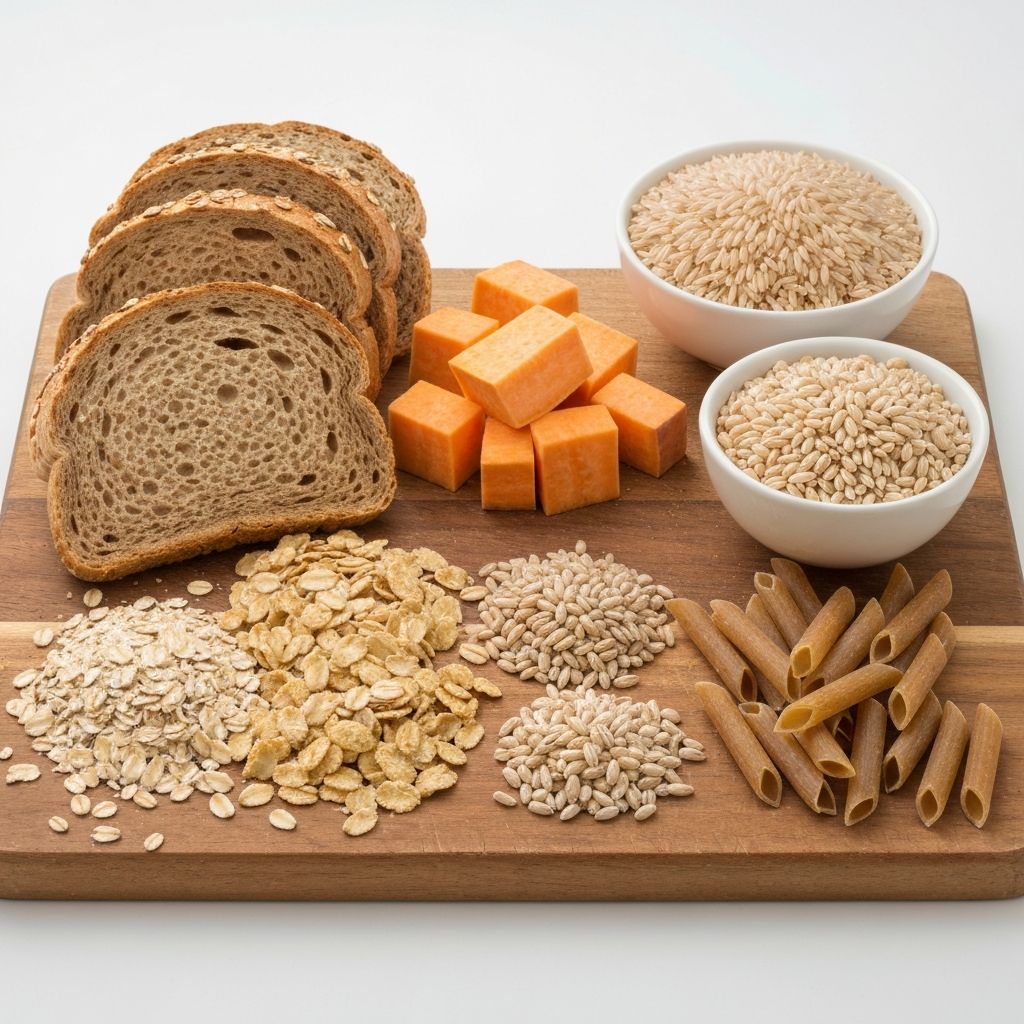
Carbohydrates and Energy Dynamics
Overview of carbohydrate types, their structural differences, metabolic pathways, and influence on blood glucose and energy availability.
Explore more
Fibre Types and Digestive Balance
Practical explanation of soluble and insoluble fibre, their sources, digestive effects, and influence on satiety and metabolic health.
Read in depth
Sleep Quality and Appetite Equilibrium
Hormonal review of sleep-appetite connections, circadian rhythm effects on digestion, and recovery's role in nutritional balance.
Discover further
Non-Exercise Activity in Daily Energy
Real-world context of NEAT, occupational and lifestyle activity patterns, and their contribution to overall energy expenditure.
View the details
Reassessing Frequent Nutrition Notions
Evidence-based examination of common nutritional beliefs, myth clarification, and contextual understanding of conflicting research.
Learn additional perspectivesFrequently Asked Questions
Continue Your Learning
We encourage thoughtful exploration of nutritional science and balanced lifestyle principles. Visit our Insights section for deeper examinations of specific topics, or contact us with questions about our educational content.
Educational content only. No promises of outcomes.